
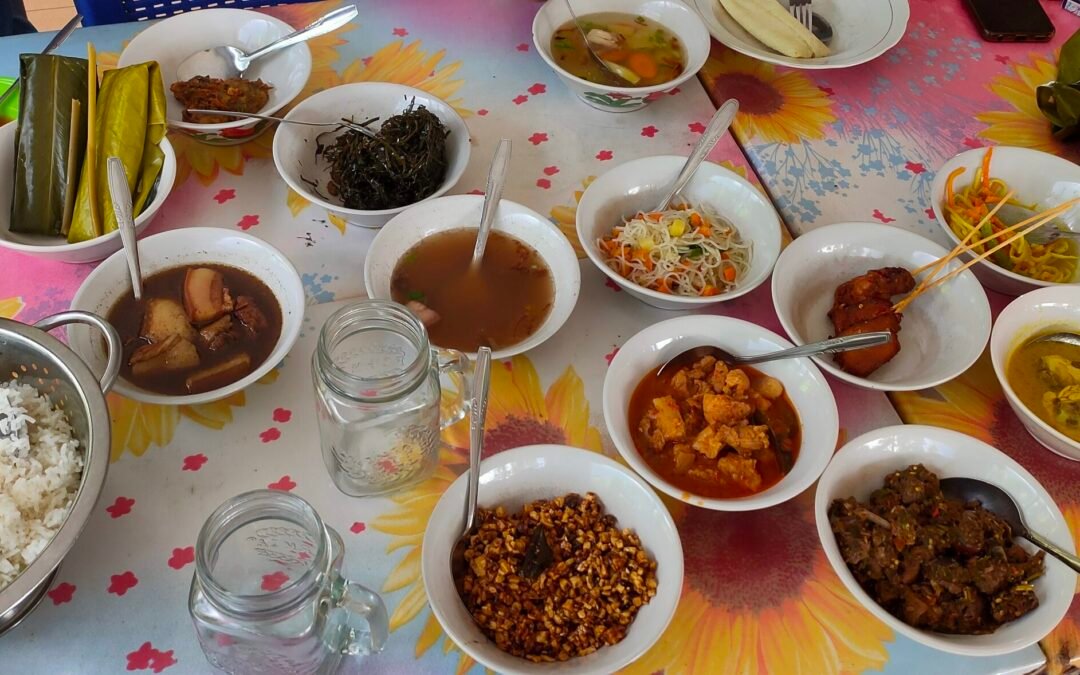
The Origins of the Minahasan Table
Where Landscape, Community, and Hospitality Come Together
Every table tells a story. In Minahasa, that story begins long before the first dish is served.
The Minahasan table is more than a place to eat—it is where volcanic landscapes, ancestral knowledge, local ingredients, faith, and hospitality come together. Discover how generations of families have shaped one of Indonesia’s most vibrant living gastronomies.
Journal Category: Gastronomy Stories
Reading Time: 8–10 minutes
Author: Sulawesious Encounters Editorial Team
A Table Shaped by the Land
Every culture has a place where its identity gathers around food. In Minahasa, that place is the family table.
The Minahasan table is not defined by luxury or ceremony. It is shaped by fertile volcanic soils, cool mountain air, abundant forests, nearby lakes and seas, and generations of people who have learned to live in harmony with their environment. Here, gastronomy begins not with recipes, but with the landscape itself.
From the volcanic highlands around Tomohon to the shores of Lake Tondano and the nearby coasts of North Sulawesi, every landscape contributes its own flavors. Vegetables flourish in the cool mountain climate, herbs grow in family gardens, coconuts line the lowlands, while fish arrive fresh from lakes and the sea.
The table is, in many ways, a map of the land.
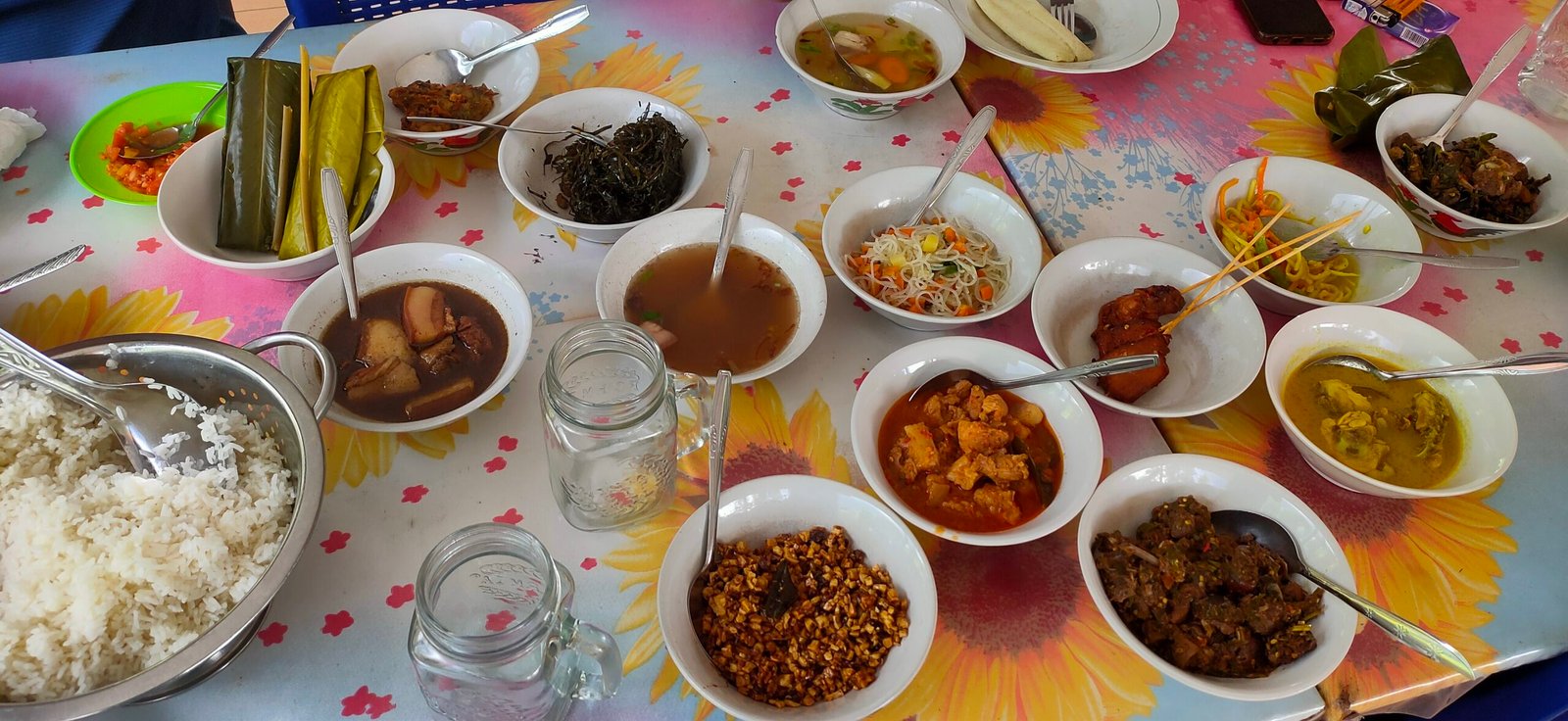
Nature as the First Kitchen
Long before modern kitchens existed, nature provided everything necessary for cooking.
Bamboo became cooking vessels.
Banana leaves became natural wrappers and serving plates.
Clay pots slowly simmered soups.
Wood fires infused dishes with gentle smoke.
Mountain springs supplied fresh water.
Nothing was wasted.
Every material had a purpose.
Even today, many traditional cooking methods continue because they simply produce better flavors.
The Diversity of Ingredients
One remarkable characteristic of Minahasan gastronomy is its extraordinary biodiversity.
Families cook with dozens of leafy vegetables, forest herbs, aromatic roots, spices, coconuts, freshwater fish, tropical fruits, bamboo shoots, mushrooms, and seasonal harvests.
Rather than depending upon imported ingredients, traditional cooking celebrates what grows nearby.
Every season offers different flavors.
Every village has its own specialties.
No two family kitchens are exactly alike.
The Family Table
The Minahasan table has never belonged to one person.
Cooking is often a collective activity.
Parents prepare ingredients.
Grandparents share recipes.
Children help wrap food.
Neighbors contribute dishes during celebrations.
Preparing food becomes an opportunity to pass knowledge from one generation to another.
Recipes are rarely written.
They are remembered through practice.
Hospitality Without Invitation
Visitors often notice something remarkable.
Meals rarely remain private.
Unexpected guests are welcomed.
Travelers are invited to sit down.
Friends become family over lunch.
Sharing food is one of the oldest expressions of Minahasan hospitality.
The table always has room for one more person.
Sundays Around the Table
Perhaps nowhere is this spirit more visible than on Sundays.
After church services, homes fill with relatives, neighbors, and visitors.
Tables become larger.
Families prepare favorite dishes.
Coffee flows throughout the afternoon.
Conversations last longer than the meal itself.
The Sunday table is not only about food.
It is about belonging.
A Calendar Written in Food
Throughout the year, gastronomy follows the rhythm of community life.
Christmas fills homes with festive dishes.
Easter brings family gatherings.
Thanksgiving celebrations open homes to entire neighborhoods.
Village anniversaries become communal feasts.
Harvest seasons inspire gratitude.
Food marks the passing of time.
A Living Gastronomy
The Minahasan table has never been frozen in history.
New ingredients arrive.
Families adapt recipes.
Young cooks introduce new ideas.
Traditional methods continue alongside contemporary creativity.
Rather than preserving the past inside a museum, Minahasa continues to live its gastronomy every day.
That is what makes it a living gastronomy.
Beyond the Plate
To understand the Minahasan table is to understand much more than food.
It is about agriculture.
Community.
Faith.
Hospitality.
Landscape.
Memory.
Identity.
The table connects every one of these.
A Journey Worth Sharing
At Sulawesious Encounters, we believe the most memorable meals are not simply served.
They are experienced.
Travelers meet farmers, fishermen, home cooks, market vendors, coffee producers, and families who continue these traditions every day.
By sitting at the Minahasan table, visitors become part of its story.
Because every shared meal creates another chapter.
Did You Know?
• Tomohon sits nearly 800 meters above sea level, creating ideal conditions for vegetables and herbs.
• Traditional meals often include more than ten locally grown ingredients.
• Many recipes are still prepared without written measurements.
• Hospitality is considered an essential ingredient of every meal.
Related Articles
Continue exploring the story of Minahasan gastronomy:
- What Makes Minahasan Gastronomy Unique?
- The Philosophy of the Minahasan Table
- A Living Gastronomy of the Highlands
- Landscapes That Shape Flavor
- Seasonal Ingredients of North Sulawesi
- The Spice Heritage of Minahasa
- Traditional Markets of Tomohon
- Cooking Together in the Family Kitchen
- Understanding Local Hospitality
- Why Food Is Central to Minahasan Hospitality

The Minahasan table is not simply where people eat.
It is where landscapes become meals, traditions become memories, and strangers become guests.
Experience the Minahasan Table
Reading about gastronomy is only the beginning.
Join us for meaningful encounters with farmers, home cooks, coffee producers, market vendors, and local families who continue this living tradition every day.
Explore Experiences
- Daily Delights
- Hands-on Culinary Secrets
- Gastronomy Encounters
- Epic Minahasa Odysseys
- Living Houses Collection
Or begin by discovering:
- Gastronomy Tomohon
- Living Gastronomy
- Festivals & Events
- Journal Volume I