
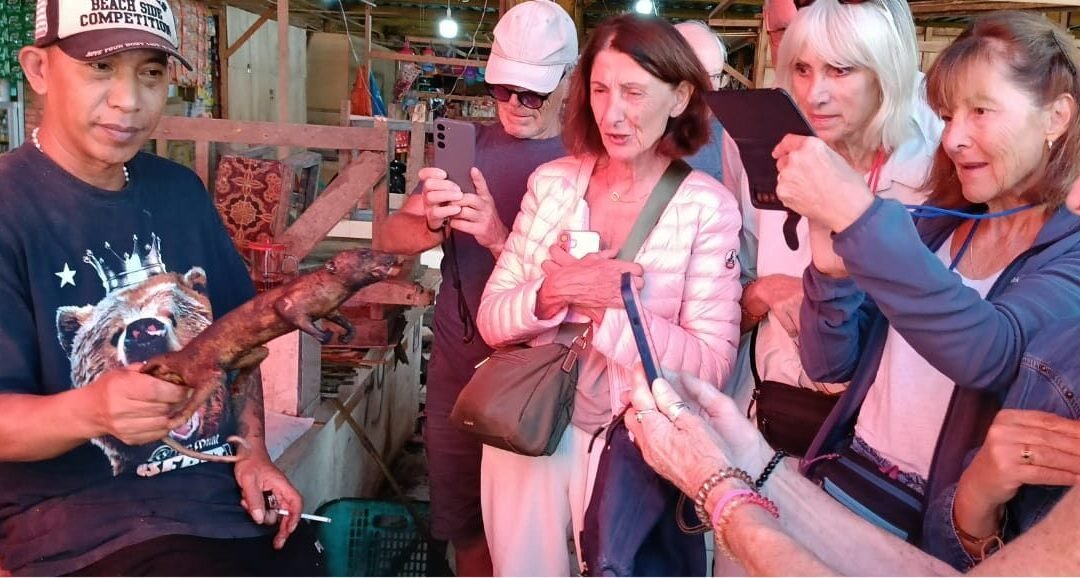
Living Traditions of Minahasa
Where Heritage Is Not Preserved Behind Glass, but Lived Every Day
Traditions remain meaningful when they continue to shape everyday life.
In Minahasa, traditions are not confined to museums or festivals. They are found in family kitchens, village gatherings, church celebrations, shared work, music, dance, and open homes. Discover a culture where heritage continues to live through everyday people.
Journal Category: Living Traditions
Reading Time: 10–12 minutes
Author: Sulawesious Encounters Editorial Team
A Heritage That Continues to Breathe
Across the world, many traditions survive only in museums, books, or annual festivals. They are carefully preserved, yet seldom woven into the fabric of daily life.
Minahasa offers a different story.
Here, tradition is not something people occasionally revisit. It is something they continue to live.
It can be seen in the way neighbours work together, in the recipes prepared for family gatherings, in songs sung at church, in dances performed during celebrations, and in the generous welcome offered to guests.
Heritage here is not frozen in time. It continues to grow with each generation.
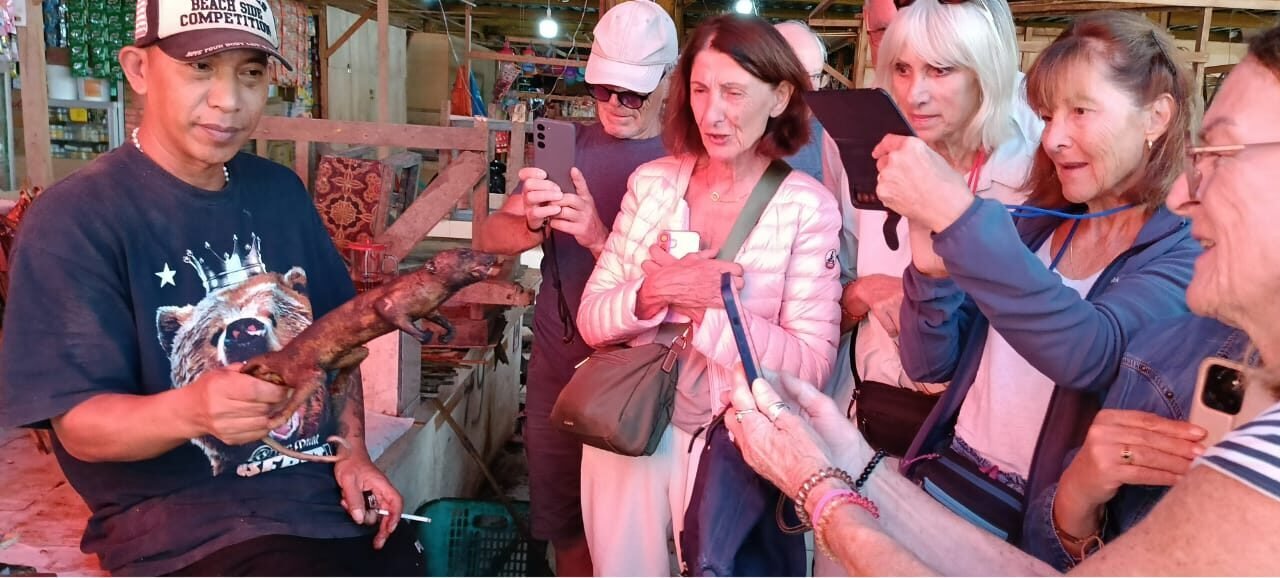
A Culture Built on Community
One of the defining values of Minahasan society is community.
People have long understood that life is strengthened through cooperation.
This spirit is reflected in Mapalus, the traditional practice of mutual assistance, where families and neighbours work together to cultivate fields, build homes, organise celebrations, and support one another during times of joy and hardship.
Mapalus is more than shared labour.
It expresses the belief that prosperity is created together, not individually.
Although modern life has changed how communities work, the spirit of cooperation continues to shape village life throughout Minahasa.
The Family Table as a Cultural Classroom
Traditions are often passed from one generation to the next without formal lessons.
Children learn by watching.
Grandparents demonstrate recipes through practice rather than written instructions.
Parents explain the meaning behind family celebrations while preparing meals together.
The family table becomes one of the most important places where culture is transmitted.
Every shared meal is also an opportunity to share stories, values, and memories.
Faith and the Rhythm of Life
For many Minahasans, faith provides the rhythm of the year.
Sundays bring families together after worship.
Christmas transforms entire communities into places of hospitality, music, and celebration.
Easter combines reflection with fellowship.
Baptisms, confirmations (Sidi), weddings, and memorial gatherings are marked by prayer, shared meals, and open homes.
These occasions strengthen relationships while reinforcing traditions of generosity and gratitude.
Celebrations That Welcome Everyone
Hospitality is one of Minahasa’s most enduring traditions.
During events such as Pengucapan Syukur (Thanksgiving), village anniversaries, Christmas, weddings, or community celebrations, homes often welcome relatives, neighbours, friends, and visitors alike.
The table becomes larger than the guest list.
Sharing food is not simply an act of kindness—it is an expression of belonging.
Visitors are not expected merely to observe these celebrations; when invited, they become participants in the community’s joy.
Music, Dance, and Storytelling
Culture is also carried through sound and movement.
Choirs, traditional songs, and community music remain central to many celebrations.
The graceful movements of Maengket reflect themes of gratitude, harvest, and togetherness, while the powerful Kabasaran dance preserves memories of courage, leadership, and communal identity.
Storytelling continues as elders recount family histories, village legends, and lessons from earlier generations.
These traditions help connect the past with the present.
Living with the Landscape
The volcanic highlands, forests, lakes, and fertile valleys of Minahasa are more than beautiful scenery.
They shape daily life.
They determine planting seasons, influence local ingredients, and inspire cooking traditions.
Families continue to gather seasonal produce, cultivate gardens, tap palm trees, and prepare meals using methods refined over generations.
Nature and culture remain closely connected.
Traditions That Continue to Evolve
Living traditions are not static.
New ideas, technologies, and influences are naturally absorbed into community life.
Young musicians blend traditional songs with contemporary styles.
Home cooks reinterpret family recipes while respecting their origins.
Village festivals welcome new generations without losing their identity.
Tradition survives because it adapts without forgetting its foundations.
Respect Before Observation
Experiencing another culture brings both privilege and responsibility.
Visitors are encouraged to approach traditions with curiosity, humility, and respect.
Listening before photographing.
Learning before judging.
Participating when invited.
These simple gestures allow meaningful cultural exchange while honouring the communities that generously share their lives.
An Invitation to Experience Living Heritage
At Sulawesious Encounters, we believe traditions are best understood through participation.
Join a family preparing a festive meal.
Walk alongside farmers during a community harvest.
Attend a village celebration.
Listen to stories shared over coffee.
Celebrate a Sunday meal with local hosts.
These are not performances arranged for visitors.
They are everyday expressions of a culture that continues to thrive.
Because the greatest heritage is not what is preserved.
It is what is still being lived.
Did You Know?
- Mapalus, the tradition of mutual cooperation, continues to influence community life in many Minahasan villages.
- Sunday gatherings often extend well beyond worship, with families sharing generous meals and welcoming visitors.
- Traditional dances such as Maengket and Kabasaran are still performed during cultural and community celebrations.
- Many family recipes are preserved through practice rather than written cookbooks, allowing each generation to contribute its own touch.
Related Articles
Continue exploring Volume IV – Living Traditions:
- Understanding Mapalus
- The Spirit of Mutual Cooperation
- Maengket: Dance, Song & Community
- Kabasaran: History Through Movement
- Music in Everyday Life
- The Tradition of Open Houses
- Wedding Traditions in Minahasa
- Ritual Foods of Celebration
- Storytelling Across Generations
- Why Traditions Continue to Matter

A tradition remains alive not because it is remembered,
but because it continues to be practiced.
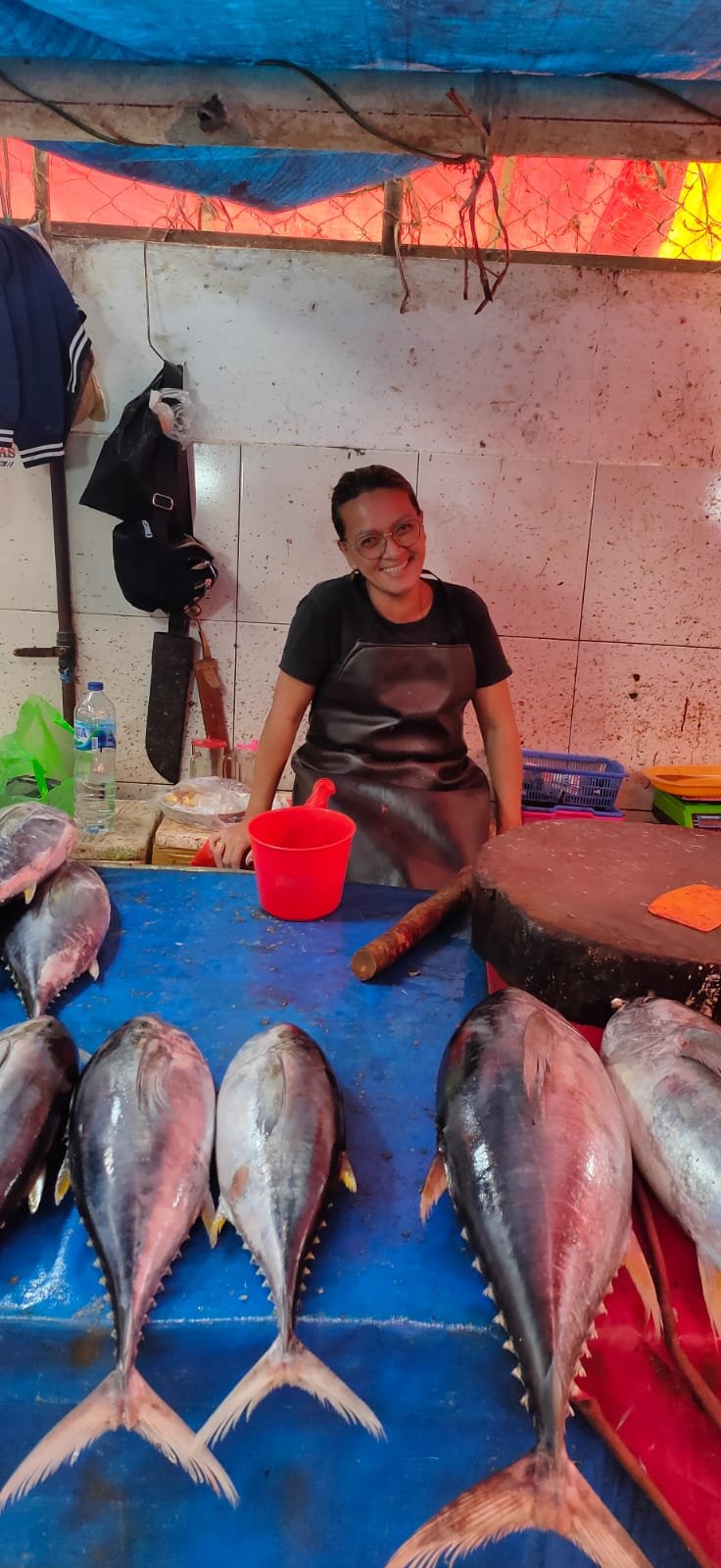
Experience Living Traditions
The richest cultural experiences are not watched from a distance—they are shared.
Travel with us to meet local families, join community celebrations, cook traditional dishes, learn from artisans, and discover the traditions that continue to shape life in Minahasa today.
Begin your journey through:
- Living Houses Collection
- Hands-on Culinary Secrets
- Epic Minahasa Odysseys
- Tomohon Trails Unleashed
- Festivals & Events Calendar