
Slow Down, Taste and See Our World
WELCOME TO TOMOHON

Tomohon Awaits Sulawesious Encounters!
Ignite your senses with Minahasa’s fiery rica-rica and refined klappertaart, crafted by local chefs and pastry entrepreneurs. Dance at the Tomohon International Flower Festival (8–12 August), savor sup brenebon during Minahasan Thanksgiving (July–September), or celebrate Christmas with home cooks at homestays. Customize active journeys or easy tours in English or French, staying in elegant hotels or private homes. Discover these flavors and stories in Minahasa Gastronomy: Traditions Elevated, coming soon!


Explore Gastronomy, Faith, Nature and Culture
Nestled in the lush highlands of North Sulawesi, Indonesia, Tomohon is a vibrant city that captivates visitors with its rich tapestry of gastronomy, deep-rooted faith, stunning natural landscapes, and dynamic cultural heritage. As part of the Minahasa region, Tomohon offers a unique blend of spicy cuisine, spiritual diversity, volcanic vistas, and traditions shaped by centuries of local and foreign influences. This description delves into the essence of Tomohon and Minahasa, showcasing why this destination is a must-visit for those seeking an immersive experience.
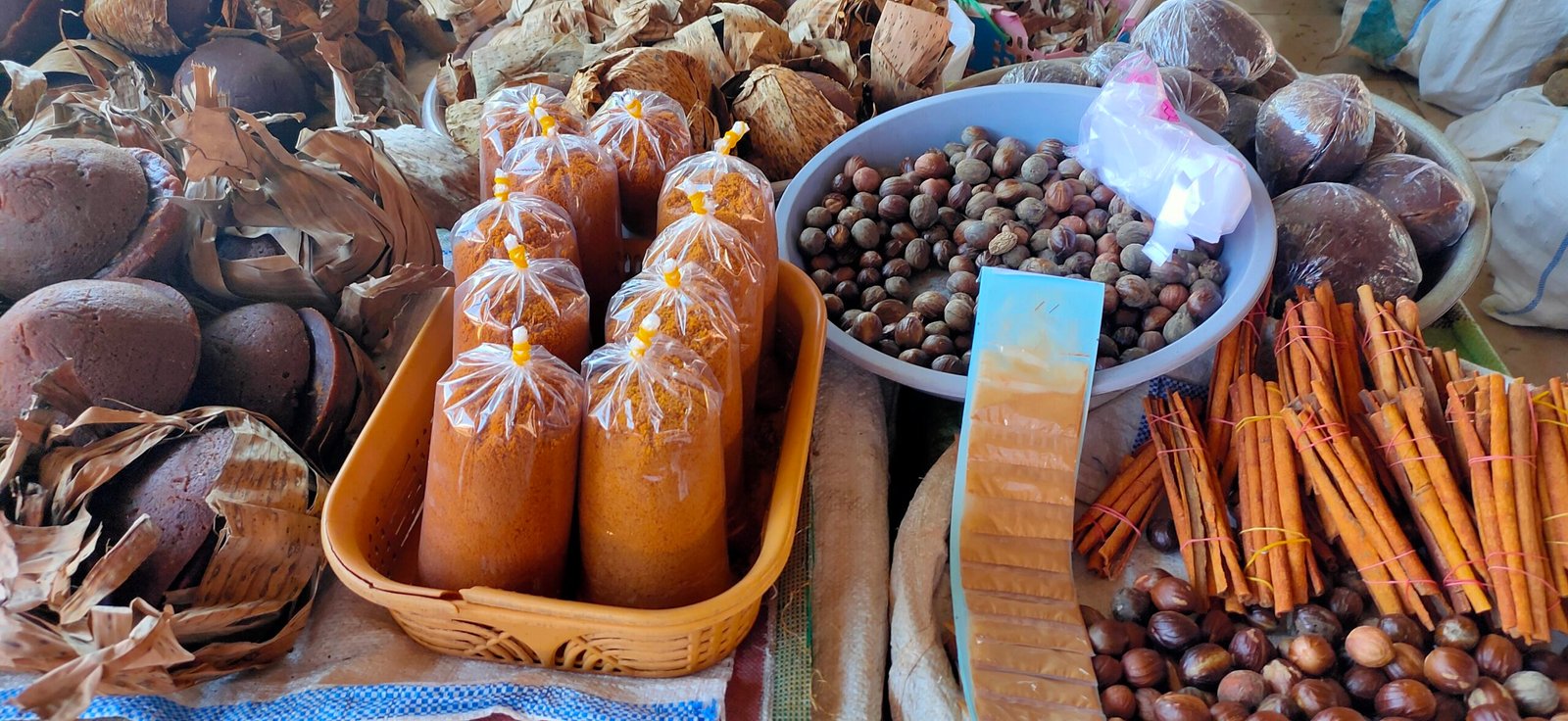

Gastronomy: A Fiery Culinary Adventure
Minahasan cuisine, synonymous with bold flavors and adventurous ingredients, is a cornerstone of Tomohon’s identity. Renowned as one of Indonesia’s spiciest culinary traditions, it reflects the region’s feisty spirit and diverse influences from Portuguese, Chinese, and Dutch cultures. The Tomohon Market, a bustling hub, is famous for its exotic offerings, from fruit bats (paniki) and forest rats to dog meat (known as RW, or rintek wuuk), alongside more conventional pork dishes. These “extreme” foods, while not for everyone, highlight the Minahasans’ historical reliance on the region’s abundant wildlife.
For those wary of such delicacies, Minahasan cuisine also boasts vibrant vegetable dishes and iconic staples. Tinutuan, a silky rice porridge with pumpkin, sweet corn, and spinach, is a beloved breakfast dish, often paired with spicy sambal dabu dabu—a fiery mix of chilies, tomatoes, shallots, and calamansi. Other highlights include bunga pepaya (sautéed papaya flower buds), pangi (grilled keluak leaves stuffed with spices), and rica rodo, a zesty salad of eggplant and green beans. The cuisine’s heat and diversity make it a thrilling exploration for food enthusiasts.
Faith: A Spiritual Mosaic
Tomohon is a spiritual epicenter, particularly for Christianity, with 96.12% of its population adhering to Protestantism (72.96%) or Catholicism (23.16%). The city hosts the headquarters of the Gereja Masehi Injili di Minahasa (GMIM), the largest Protestant church in North Sulawesi, and has a rich Catholic heritage. This Christian dominance stems from centuries of Dutch and Portuguese influence, but the Minahasa people’s pre-Christian animist beliefs, known as the Malesung faith, remain significant. Recognized officially since a 2017 Constitutional Court ruling, Malesung rituals honor the Creator (Empung Wailan Wangko) and ancestors through open-air ceremonies tied to nature.
A small Muslim community (3.76%) resides in Kampung Jawa, and Buddhists maintain a vihara in Kakaskasen III, reflecting Tomohon’s interfaith harmony. The Minahasan philosophy of mapalus—emphasizing unity and communal labor—fosters tolerance, with Muslims and Christians often collaborating during religious festivals. This blend of faiths, rooted in both ancestral traditions and global religions, creates a spiritual landscape as diverse as the region’s cuisine.
Nature: Volcanic Beauty and Verdant Highlands
Tomohon’s location in the Pacific Ring of Fire gifts it a dramatic natural setting, flanked by active volcanoes Mount Lokon (1,689m) and Mount Mahawu (1,311m). These peaks offer thrilling hikes with panoramic views of Manado, Bunaken, and the surrounding countryside, while Mahawu’s crater features an acid lake and bubbling mud. The region’s fertile volcanic soil supports lush agriculture, earning Tomohon the nickname “City of Flowers” for its vibrant home gardens and the annual Tomohon International Flower Festival.
Beyond volcanoes, attractions like Lake Linow, Kali Waterfall, and Ranopaso Hotsprings draw nature lovers, while the nearby Tangkoko Nature Reserve teems with endemic wildlife, including tarsiers and hornbills. The Minahasa Highlands, with their cool climate and scenic trails, make Tomohon an ideal base for outdoor adventures, from trekking to exploring traditional villages.
Culture: A Tapestry of Tradition and Togetherness
Tomohon is the heart of the Tombulu sub-tribe, one of eight Minahasan ethnic groups, with a culture shaped by Austronesian roots and colonial encounters. The Lansot Site, a megalithic burial ground, reveals Austronesian influences like net-patterned pottery, while waruga stone sarcophagi near Sawangan highlight ancient burial practices. The mapalus system, a communal work tradition, remains a cultural cornerstone, applied to farming, funerals, and festivals, fostering unity across diverse communities
The Tombulu language, alongside Manado Malay and Indonesian, is widely spoken, with some elders retaining Dutch from colonial times. Traditional dances, shared across Minahasa, and crafts like wooden-house and palm-sugar production thrive in Tomohon. The city’s history, documented by Dutch missionary Nicolaas Graafland in 1850, underscores its evolution from a Tombulu district to a modern city, established in 2003. This fusion of indigenous heritage and global influences creates a cultural vibrancy that captivates visitors.
Join Us In Our Food Discoveries
Let us take you on a journey across Sulawesi and Indonesia revealing the unknowns and learn more about the already familiar.