
Landscapes of Taste
How the Land Shapes the Flavors of Minahasa
Before food reaches the table, it begins with the landscape.
Volcanoes, fertile valleys, mountain springs, forests, lakes, coconut groves, and nearby seas all contribute to the remarkable diversity of Minahasan gastronomy. Discover how the landscapes of North Sulawesi shape the ingredients, traditions, and flavors found on every table.
Journal Category: Landscapes
Reading Time: 10–12 minutes
Author: Sulawesious Encounters Editorial Team
More Than Beautiful Scenery
Travelers often remember North Sulawesi for its dramatic volcanoes, emerald lakes, tropical forests, and colorful flower fields. These landscapes are undeniably beautiful, but they are much more than picturesque backgrounds for photographs.
They are the source of the region’s flavors.
Every meal served in Minahasa begins with the land that nurtures its ingredients. The landscape determines what can be grown, harvested, caught, gathered, and shared. It shapes recipes, seasonal traditions, and the rhythm of daily life.
To understand Minahasan gastronomy is therefore to understand its landscapes.
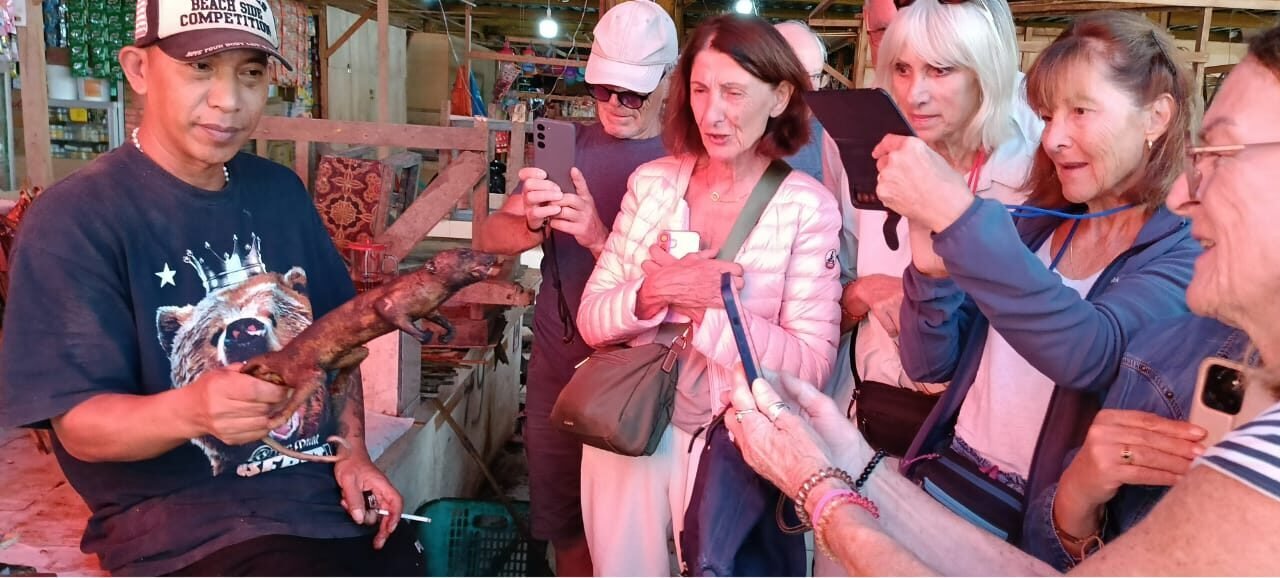
Volcanoes: The First Ingredient
Few regions are as closely connected to volcanic landscapes as Minahasa.
Mount Lokon, Mount Mahawu, Mount Soputan, and the wider volcanic chain have enriched the soil over thousands of years. Layers of volcanic ash and minerals create fertile ground where vegetables, herbs, spices, coffee, and flowers flourish.
This is why the highlands around Tomohon are renowned for crisp cabbages, tomatoes, spring onions, carrots, potatoes, chilies, aromatic herbs, and many leafy greens.
The volcanic landscape is not simply a dramatic view.
It is the first ingredient in countless Minahasan dishes.
Highlands of Freshness
The cool mountain climate offers conditions rarely found in tropical Indonesia.
Morning mist, moderate temperatures, and rich soils allow farmers to cultivate crops with exceptional freshness and flavour.
Every dawn, vegetables are harvested and transported to local markets, restaurants, and family kitchens.
Many ingredients travel only a few kilometres before reaching the table.
Freshness is not a culinary trend here.
It is a way of life.
Forests That Feed Communities
Beyond cultivated farmland lie forests that have long supported local communities.
Edible ferns, bamboo shoots, mushrooms, medicinal herbs, wild fruits, and traditional ingredients have been gathered from these landscapes for generations.
Forests also provide timber, bamboo, natural fibres, and water sources that sustain both homes and farms.
Respecting the forest has always been essential to sustaining the table.
Water That Gives Life
Water shapes Minahasan gastronomy in many ways.
Mountain springs nourish farms.
Rivers irrigate fertile valleys.
Lake Tondano provides freshwater fish that have sustained communities for generations.
Only a short drive away, the seas surrounding North Sulawesi offer tuna, skipjack, reef fish, shellfish, and seaweed.
The result is a cuisine that moves naturally between mountains, lakes, and the coast.
Gardens as Everyday Landscapes
In Minahasa, landscapes are not limited to grand panoramas.
Many families cultivate small home gardens filled with herbs, vegetables, fruit trees, chillies, turmeric, ginger, lemongrass, pandan, and flowers.
These gardens shorten the distance between harvest and meal to just a few steps.
They also preserve biodiversity and culinary traditions.
Every garden contributes to the larger landscape of taste.
The Rhythm of the Seasons
Although North Sulawesi enjoys a tropical climate throughout the year, nature still follows seasonal rhythms.
Clove harvests perfume entire hillsides.
Coffee cherries ripen at different elevations.
Flower fields change colour with the months.
Fruit trees bear harvests in their own time.
Families adapt recipes to what is naturally available rather than expecting every ingredient in every season.
The landscape teaches patience.
The People Who Shape the Land
Landscapes do not create gastronomy alone.
They are shaped by generations of farmers, fishers, gardeners, cooks, coffee growers, palm sugar makers, and market vendors who understand the rhythms of their environment.
Knowledge passed through families transforms fertile land into meaningful food.
Without people, landscapes remain scenery.
With people, they become culture.
The Meaning of Volcano-to-Table
At Sulawesious Encounters, we describe this relationship as Volcano-to-Table.
It is our way of expressing the complete journey of food:
Volcanic soil.
Mountain rain.
Local farmers.
Traditional markets.
Family kitchens.
Shared tables.
Each stage connects the traveller more deeply to the place they are visiting.
Volcano-to-Table is more than a route.
It is a philosophy of understanding gastronomy from its very beginning.
Looking Beyond the View
Many visitors stop to admire the scenery.
We invite you to do something more.
Walk through the vegetable fields.
Taste herbs directly from the garden.
Meet the people who cultivate the land.
Share lunch overlooking the farms that produced the ingredients.
Listen to the stories behind every harvest.
Because the most beautiful landscapes are not only seen.
They are tasted.
Did You Know?
- The volcanic soils around Tomohon are among the reasons the region is one of North Sulawesi’s most productive vegetable-growing areas.
- Many ingredients served at local tables are harvested on the same day.
- Lake Tondano continues to provide freshwater fish that are central to regional cuisine.
- Home gardens remain an important source of herbs, vegetables, fruits, and medicinal plants for many families.
Related Articles
Continue exploring Volume VI – Landscapes:
- Mount Lokon and the Highlands
- Lake Tondano: Water and Life
- The Fertile Volcanic Soil
- Forests of North Sulawesi
- Vegetable Terraces of Tomohon
- Flower Fields
- Clove Plantations
- Coconut Landscapes
- Nature and Gastronomy
- Why Place Matters

Every memorable meal begins long before the kitchen.
It begins in the soil, the water, the climate, and the people who care for the land.
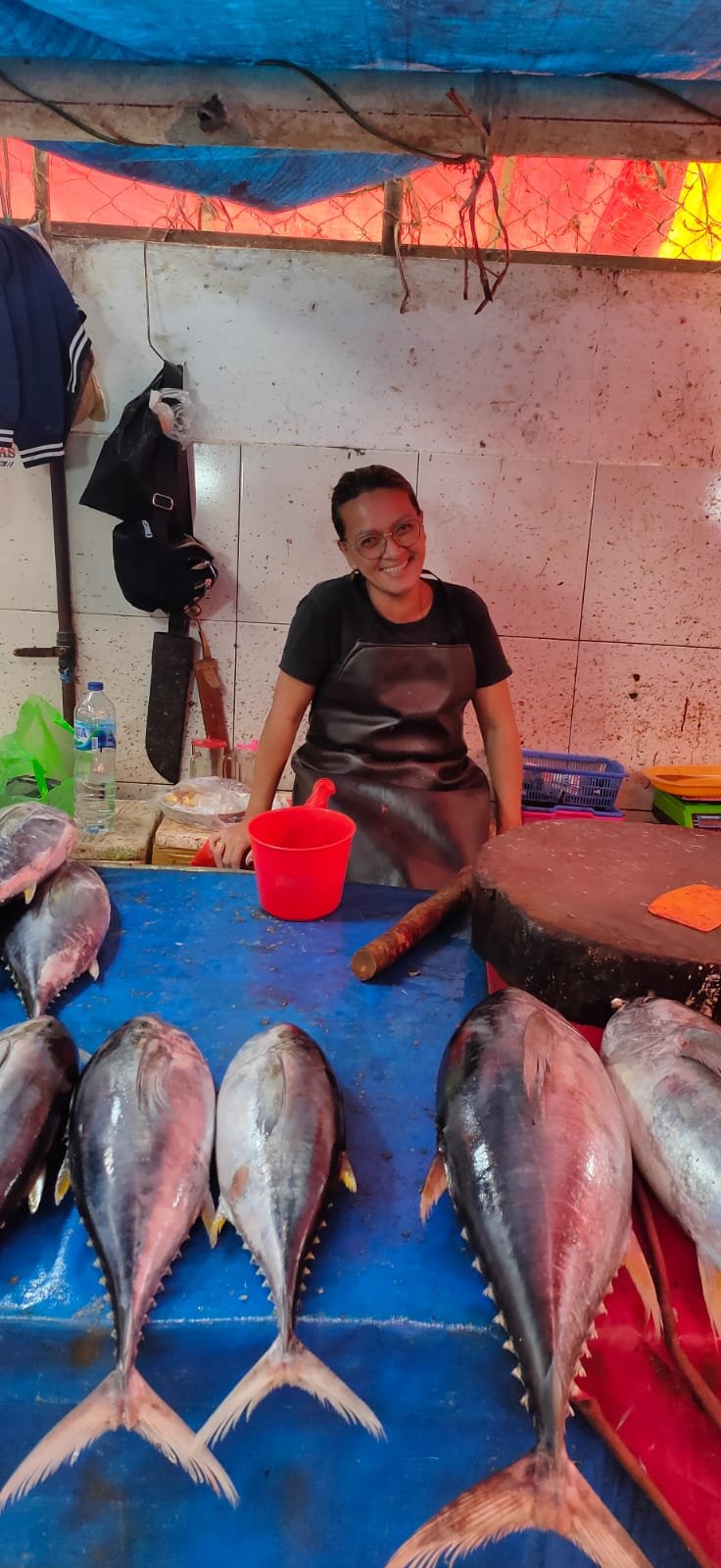
Taste the Landscape
Experience North Sulawesi beyond its viewpoints.
Walk through volcanic farms, visit traditional markets, harvest fresh ingredients, cook with local families, and discover how the landscape shapes every meal.
Explore experiences:
- Volcano-to-Table Journey
- Hands-on Culinary Secrets
- Tomohon Trails Unleashed
- Epic Minahasa Odysseys
- Living Houses Collection